One of the most common complaints we hear daily: "My AC is running but it's not as cold as before." This usually doesn't have a single cause, and before calling a technician, there are simple checks you can do yourself to understand what's happening. In this article we cover the 7 most common causes of weak AC cooling in Omani homes, ordered from the easiest fix to the more complex.
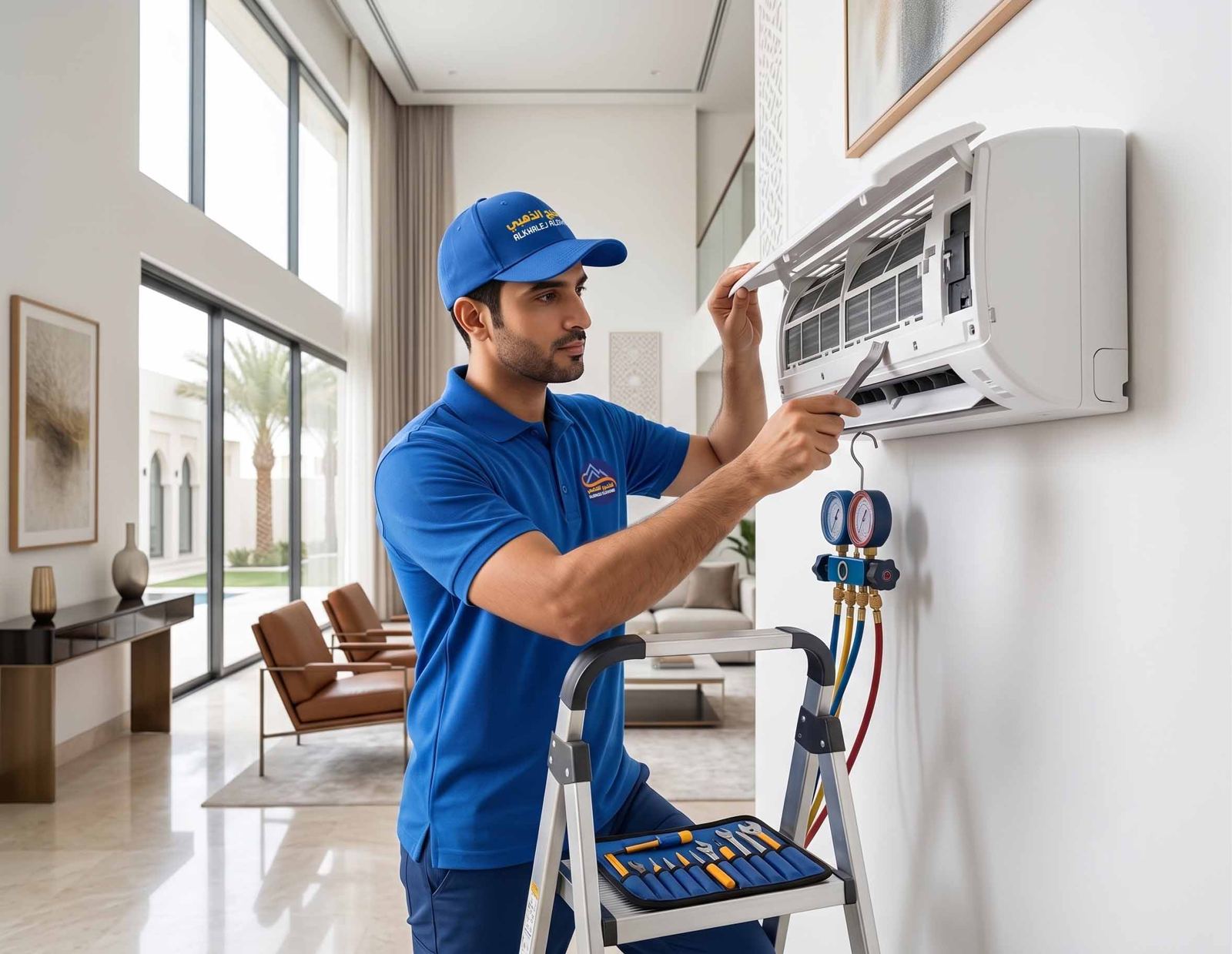
1. Dirty or clogged filters
This is the most common and easiest-to-fix cause. Filters accumulate dust over time, blocking normal airflow through the evaporator, reducing cooling and increasing electricity use as the compressor works harder to compensate. Fix: open the indoor unit's cover, pull out the filter, wash it with plain water, and let it dry completely before reinstalling.
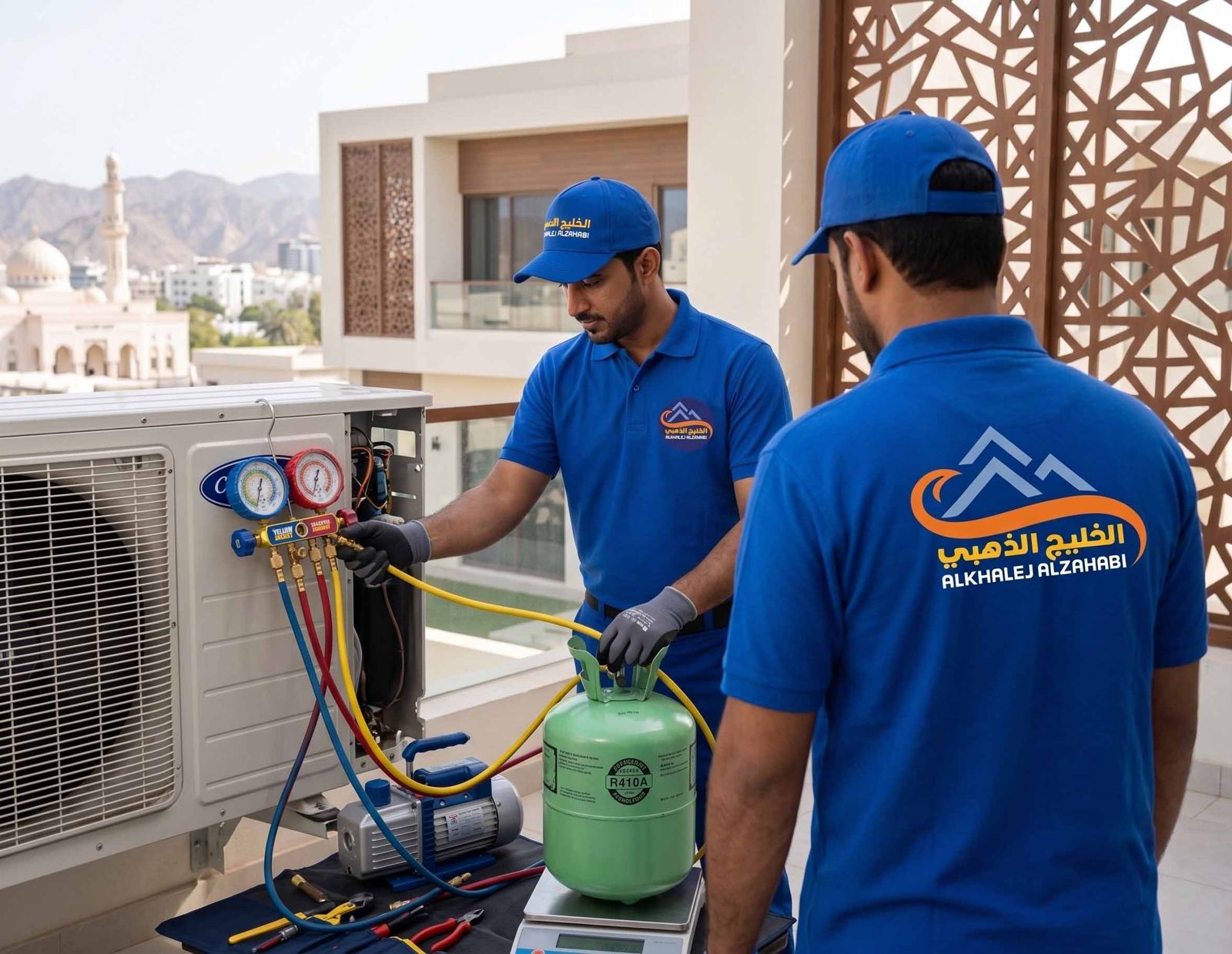
2. Low refrigerant gas
If the filter is clean and the AC still isn't cooling, the second likely cause is a gas shortage from a small leak in the circuit. The telltale sign is ice forming on the copper pipe coming from the outdoor unit. This issue needs a specialized technician, since it requires locating and repairing the leak source before refilling — refilling gas alone without fixing the leak is only a temporary fix that will recur.
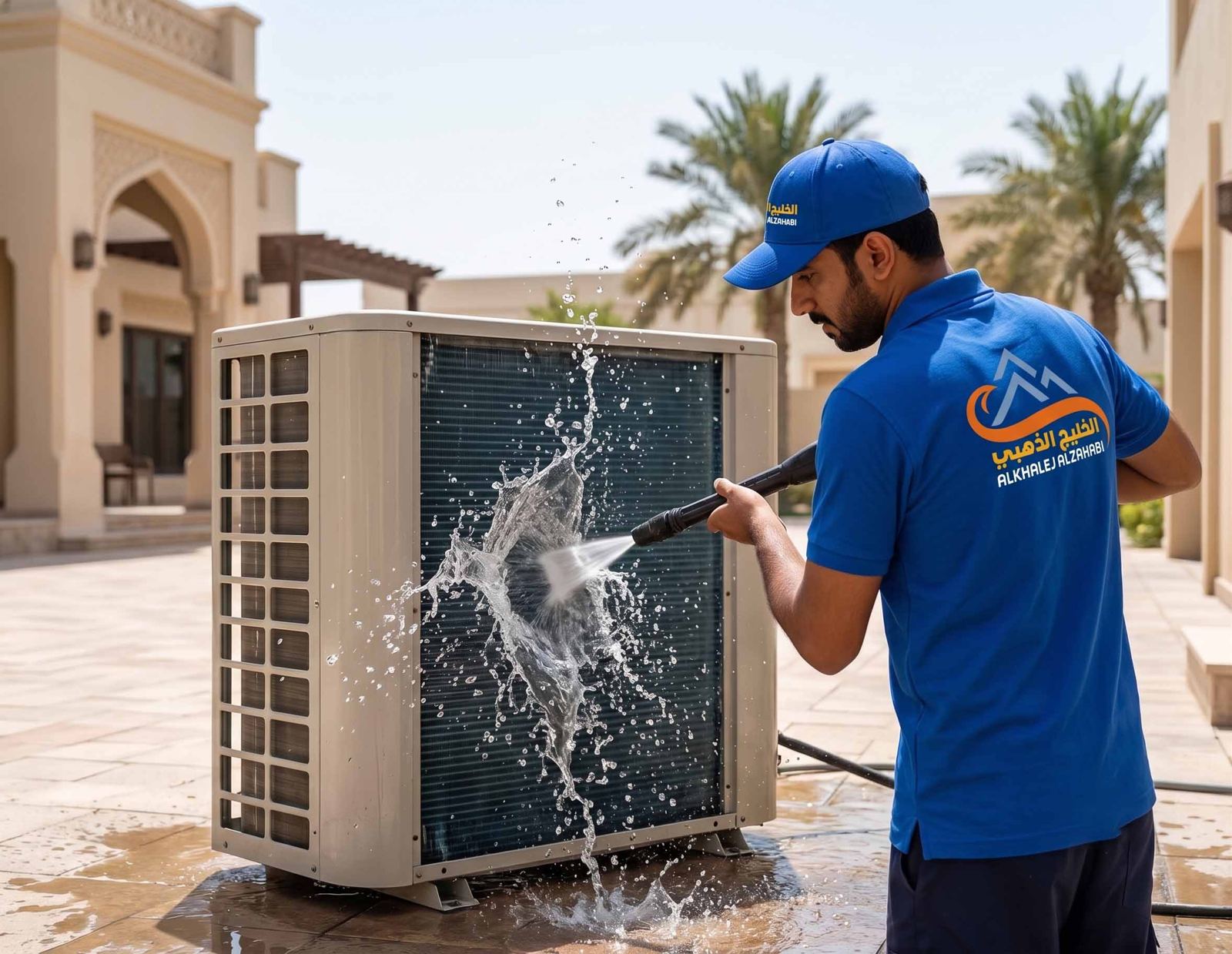
3. A dirty or obstructed outdoor unit
The outdoor unit (condenser) needs good airflow to dissipate heat. If it's covered in dust or placed in a tight space near a wall or dense vegetation, this hampers heat dissipation and noticeably reduces cooling efficiency, especially during Oman's hottest summer days.
4. Wrong AC size for the space
Sometimes the problem isn't the AC itself, but that its capacity (in tons or BTU) is too small for the room size. An undersized AC runs at maximum capacity constantly without ever reaching the target temperature. If you've noticed this issue since installation, we recommend consulting a technician to review the sizing calculations.
Rule of thumb: 1 ton of cooling capacity suits roughly 12-15 square meters under normal conditions, and you may need more capacity for rooms with direct sun exposure.
5. A faulty thermostat or temperature sensor
If the AC turns on and off irregularly or stops before the room reaches the target temperature, there may be a fault in the sensor responsible for measuring temperature. This requires precise electrical testing and part replacement if needed.
6. A weak or failing compressor
The compressor is the "heart" of the cooling system. If its current draw is below the normal range or its performance is weak, cooling is significantly affected even if the rest of the unit is fine. This fault is among the most costly, and often results from years of neglected maintenance.
7. Mismatched indoor and outdoor units (after a prior repair)
In some cases, if part of the system (such as just the outdoor unit) was replaced with a different model than the original, this can cause a performance mismatch that affects cooling efficiency. This is a less common cause, but it does happen, and needs a specialist evaluation.
A quick self-check before you call
Before booking a technician, try these steps that take less than 10 minutes:
- Make sure the remote is set to Cool mode, not just Fan mode.
- Check the filter visually — if it's dark grey, that alone explains weak cooling.
- Check the AC's circuit breaker in the electrical panel to confirm it hasn't tripped.
- Look for ice forming on the copper pipe from the outdoor unit — a sign of low gas.
When is it an emergency?
If your AC stops completely on an extremely hot day, or you notice a burning smell or light smoke from the unit, or hear a strong electrical crackling sound, these situations call for immediately switching off the AC at the breaker and contacting an emergency technician instead of waiting for a regular appointment — safety comes first.
Conclusion: when to DIY and when to call a technician
Cleaning filters and clearing obstructions around the outdoor unit are things you can easily do yourself. But any issue related to gas, electricity, or the compressor needs a specialized technician with precise measuring tools, since a wrong diagnosis can make the problem worse and cost you more in the long run.